mco 427 – blog post #4
Being raised in an increasingly digital world with a growing dependence on social media platforms and applications for everyday processes such as communication, work, academics, job hunting, networking, meeting friends/prospective partners, obtaining news, entertainment– just about any function you can think of, really– I have observed the evolution of these platforms as closely and naturally as my own, as I have grown and evolved with them. I witnessed the launching of YouTube and its prime age, as well as the rise (and fall) of Vine, the transition of Musical.ly into TikTok, and I am here to analyze (as well as partake) in the current dominance of the short clips/reels era highly perpetuated by the reign of TikTok we now find ourselves in.
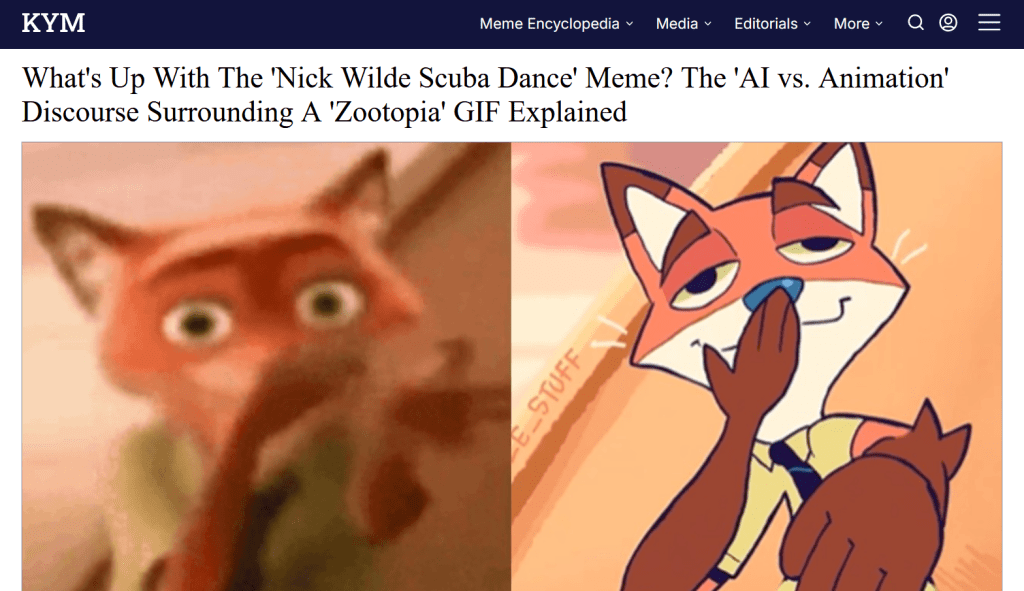
Those in my generation who once aspired to become YouTube content creators now tend to entertain the less polished, more ‘authentic’ feel of TikTok videos, or Instagram reels, instead. Current trends (upon MANY that are recycled, replaced, rotated, forgotten and resurfaced) include various dances to trendy songs (such as Chanel by Tyla or Midnight Sun by Zara Larsson), reflecting on or replicating 2016 nostalgia (complete and featuring Forever 21/H&M attire, a Starbucks unicorn frappe, a ‘Rio De Janeiro’ colored filter and a street dance accompanied by Alan Walker’s Faded or Lean On by Major Lazer), acoustic singing in a parking garage, or modern Gen Z favorites like crashing out in your car and the Nick Wilde scuba meme.
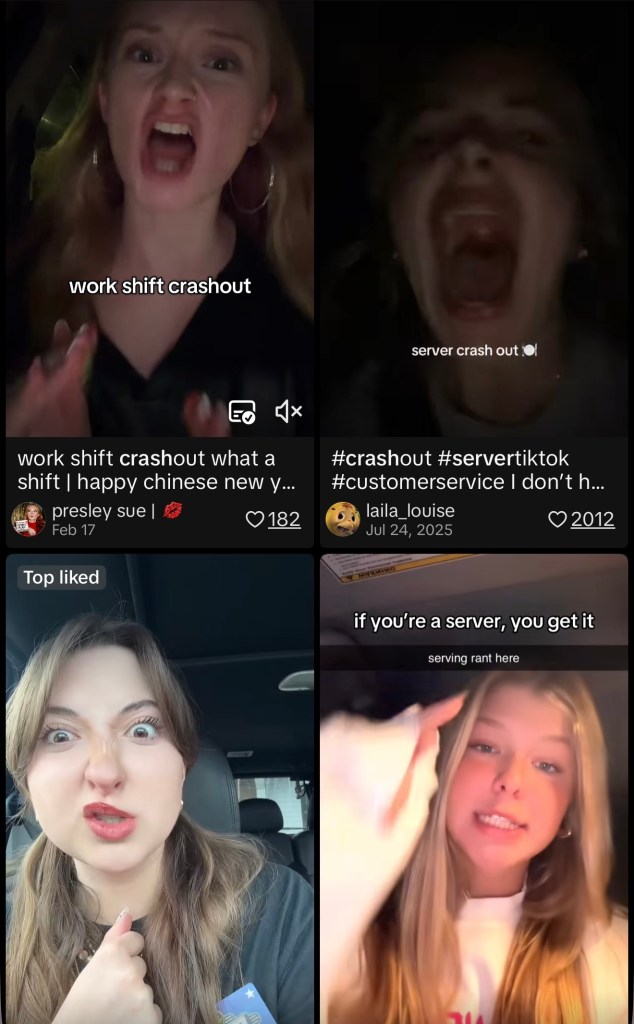
After a point of seeing so many of these trends in execution, I believe many of us become desensitized to them to a degree– at least, it tends to occur to us less frequently how many of these contributions are often downright unnatural (I can’t tell you how many MORE TikTok users I began to notice after user Gemma Moro first went viral posting videos of herself screaming/crying in her car while sharing a frustrating experience, typically in regards to her occupation as a server in the restaurant industry; many of these replications, in their frequency and sheer over-the-top nature, I speculate are far past the point of being genuine and more of a bid to achieve virality).
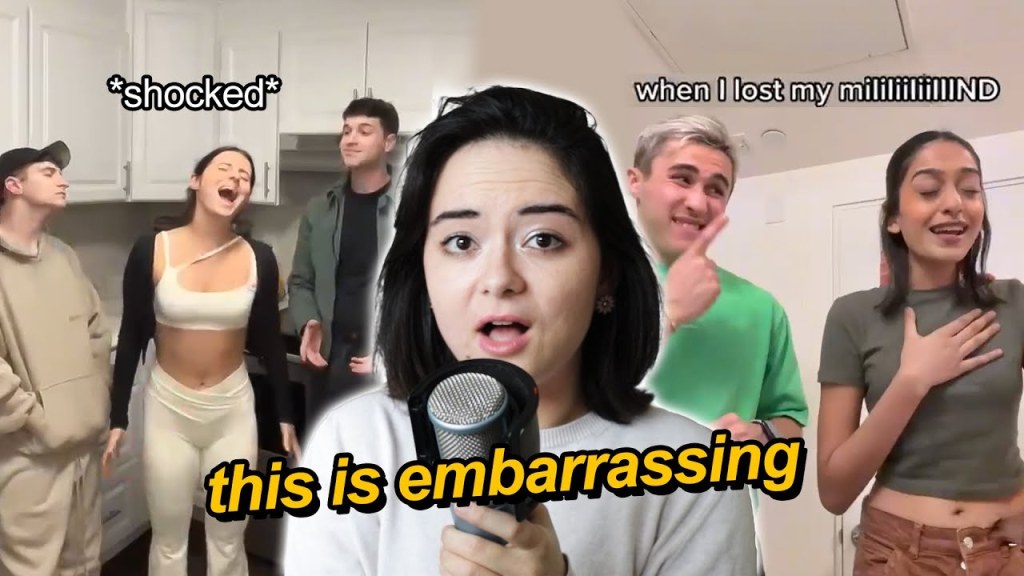
Recent analyses have also gained attention breaking down the process of autotuning your voice in post, and how many of these trendy acoustic singing reels– social media star Anthony Gargiulia cited as a popular example– are not nearly as raw and real as we are led to believe, offering viewers a false and unrealistic perception of what voices should sound like.
What’s more, the number of accounts that use generative AI in their content is staggering. More often than not, I am DM’ed clips on Instagram by my mom, only to have to regretfully inform her that the content that captivated her attention, while often (rightfully) shocking or concerning, were merely the workings of AI prompted by an account that achieved what it likely intended to from the start: tricking her into sharing it.
Content creators, influencers, burner/alternative/pseudonymous (or otherwise secondary) accounts, as well as your average social media user all use these platforms in countless, ever changing ways that impact the daily experiences of people like you and I, for better or for worse. So it certainly begs the question: how are these platforms taking responsibility for their all-consuming role in so many of our lives and daily processes? How do they manage and stifle the heaps of misinformation so often and so easily passed around by so many of their users– whether intentionally or not– and how do they do so without concerns of speech censorship?
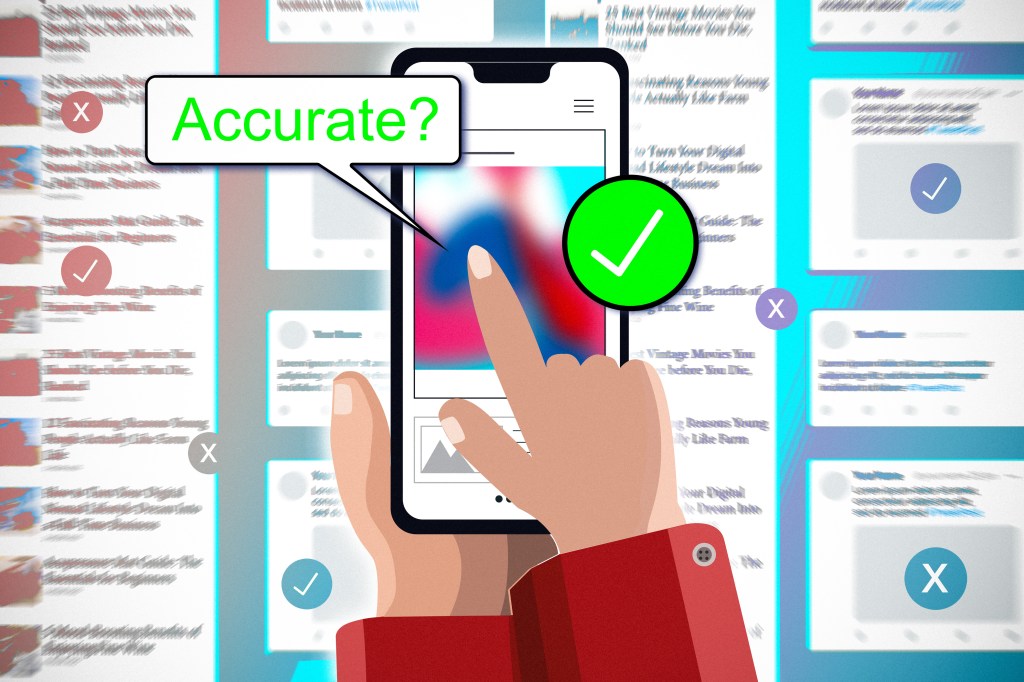
For sake of keeping things (somewhat) brief, I am going to be focusing on the attributes and policies instated by the platforms Instagram and Reddit— two very different platforms, yet two I use often, and two where information of all sorts runs rampant.
Reddit was an interesting one to start with because it is often highly regarded as a massively online network, where millions of users are able to congregate through virtual communities (known as ‘subreddits’), ask questions anonymously, and share knowledge on a particular subject. Personally, it is my platform of choice to gain ‘insider info’ on a brand or product, for instance, prior to committing to, subscribing, or making a purchase. On Reddit, I am almost always intentionally seeking particular insight and advice, as opposed to an application like Instagram where the informational content typically finds me instead (often in the form of attention-grabbing reels).
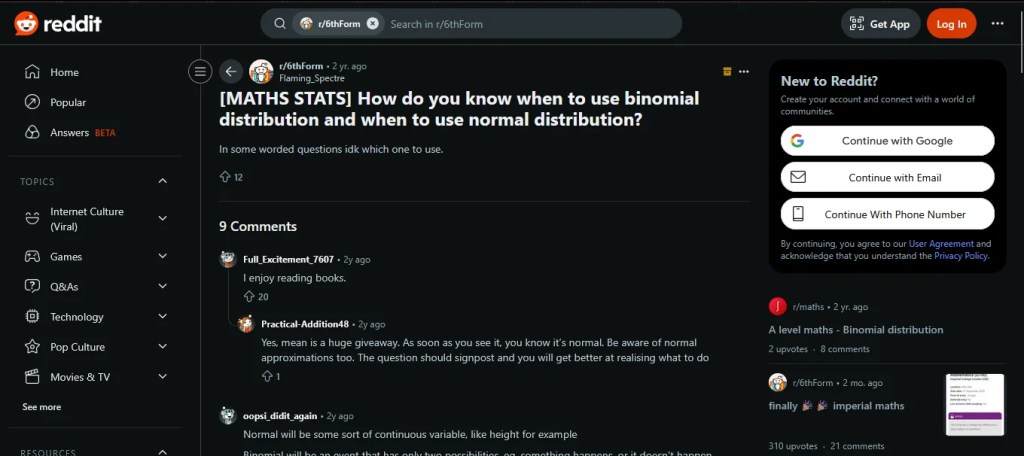
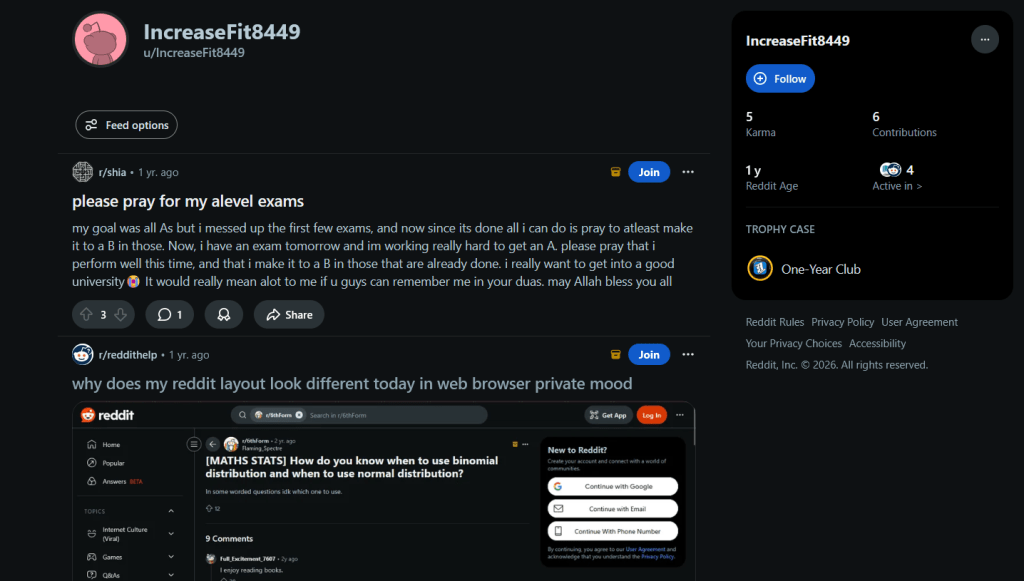
Reddit is unique because it offers a highly decentralized experience where where users are not paid to inform (or misinform, for that matter). You may gain ‘karma’ for your posts and comments within a community vouching for your credibility, and ‘upvotes’ from other users, if your contributions are found helpful. But accounts are not seeking to uphold any image other than communal reliability– give reliability, get reliability in return. There are no sponsorships or sneaky shortcuts. People typically share based on their own often wide-spanning individual experiences, so the likelihood of what you find to be true is higher. Reddit accounts are often operated under obscure sobriquets or pseudonyms. It is more about ‘what’ as opposed to ‘who.’ In short– it is not about you.
So why– or rather, how— does this work so well?
Surprisingly, despite the vast myriad of thoughts and perspectives you are receiving such constant heightened exposure to, Reddit is for the most part self-governed, with each subreddit monitored by a team of self-appointed volunteers— regular users like you and I– with the ability to remove posts, ban users, and set community-specific guidelines. Despite being a sea of information, Reddit doesn’t have a specific ‘fact-checker’ implemented to catch and shut down misinformation; instead, due to its nature as being so community-lead, fellow users are often quick to ‘downvote’ or debunk false claims in the comments, citing and pinning more reputable sources in subreddits with a greater influx of world news and applying “post flairs” (such as ‘misleading’ or ‘fact-checked’) to certain claims as either in support of or forewarning other readers who might encounter it. The site tracks individual accounts activity across various subreddits, so it is fairly easy to identify and even collectively ban those who have demonstrated problematic or potentially brigading intent.
Reddit’s side-wide policies are minimal, but they are enforced by paid administrators with a watchful eye for illegal content, excessive harassment and site-wide spam, among other things; they can delete communities that refuse to abide by said policies. The platform’s greatest downside, arguably, appears to be the opportunity for certain subreddits, such as conspiracy communities, to become echo chambers— self-convinced, extreme filtration bubbles near religiously devoted to a particular subset of (mis)information, reinforcing certain beliefs to the point of entrenchment while any perspectives in opposition are instantly shut down without further consideration.
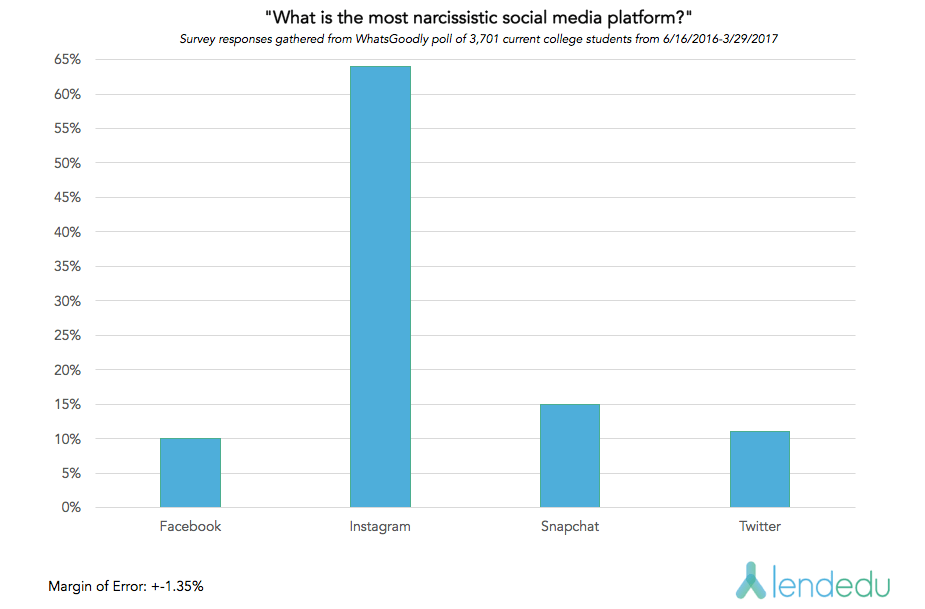
In stark contrast, Instagram is often viewed as the ultimate ‘popularity contest,’ nurturing an environment of validation-seeking, self-absorbed tendencies within the social regime, heavily prioritizing the sharing of manufactured photos, curated experiences and glamorizing vain self depiction over the bias-free sharing of information, for instance. (I won’t sit here and pretend I haven’t attempted to partake in such culture). Much of the information that is shared across the platform contains some sort of interpersonal correlation as opposed to the individual prevalence of the idea itself. Unlike Reddit, Instagram is all about ‘who.’ Who you follow. How you present yourself. While spam accounts, or ‘finstas’— serving as a slightly more authentic glance into a person’s life– have gained and fizzed in popularity over the years, Instagram is heavily dominated by users who are not afraid to throw authenticity to the wind by means of establishing (or upholding) their intended image, attracting more and more likes, comments, and shares. In fact, studies have shown roughly 64% of millennials consider Instagram to be the most ‘narcissistic’ social media platform— receiving overwhelmingly more votes than Facebook, Snapchat, and X combined.
So, it’d be perfectly within reason to ask: how does a platform like this, one pioneered by trends and the restless pursuit of virality, manage to keep the flourishing of misinformation to a minimum?
As of 2026, Instagram has started to transition away from merely deleting or suppressing specific content in favor of implementing a holistic pattern emphasizing algorithmic transparency/user preference signaling, automated demotion, and “pre-bunking,”– a newer psychological method I have researched a fair deal into lately while exploring educational games that offer a firsthand look into media manipulation tactics. (I wrote another post regarding this!) I often come across fact-checkers beneath questionable content; while the content itself isn’t removed (which I appreciate), Instagram does supply disclaimers (like Reddit, they are often paired with links to more reputable sources), which viewers are free to indulge or ignore. As an avid user of the platform, I am much more fond of this method of misinformation curbing as opposed to eliminating the opportunity for exposure altogether, as I believe the freedom to express all perspectives is valid and necessary for one to accurately and honestly shape their worldview (including their comprehension of the motives and beliefs others maintain), regardless of their blatantly falsified or otherwise dubious nature in certain respects, such as political affairs.
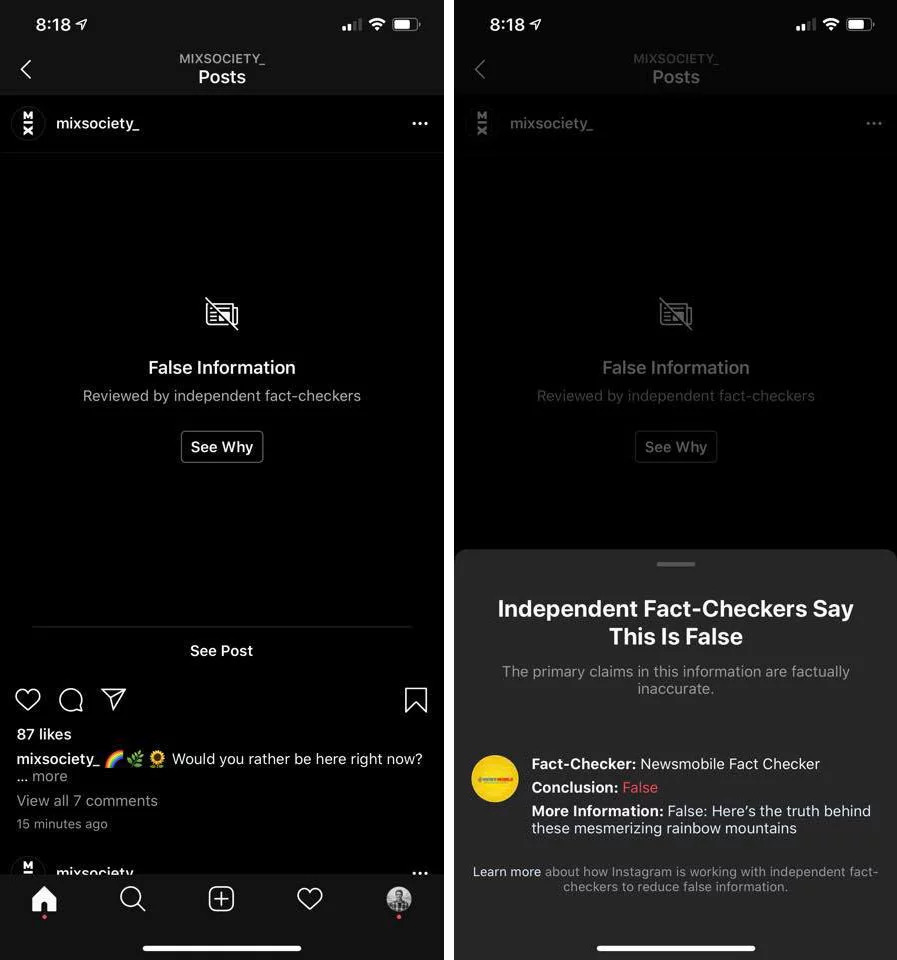
Content that is flagged as false (by a combination of community feedback, technology and finally independent fact-checkers) is also removed from the “explore” and “hashtag” pages, significantly reducing their reach, which can serve as an excellent method of discouragement or aversion to passing off AI-generated content as legitimate in images and reels plastered across the app. Instagram accounts that primarily re-post unoriginal and/or aggregated content online, a common and intentional tactic to mass spread misinformation or “troll farm,” also face more detrimental penalties, such as minimizing traffic to their accounts overall as opposed to merely the (or each) offending post itself.
Managing misinformation across a platform like Instagram as opposed to Reddit strikes me as an obligatorily far different process in execution due to the polar opposite audiences, intentions and media formatting demonstrated by each application. No social media platform is perfect, but investigating the preventative measures these two have taken as technology continues to advance has been as eye opening for me as it seems promising.

 alyssa d'amato
Leave a comment